A Virtual Private Network, or VPN, is one of those technologies that quietly works behind the scenes to protect your privacy while you browse, stream, or work online. It routes your internet traffic through an encrypted tunnel and masks your IP address, making it far harder for advertisers, hackers, or even your internet provider to track what you do. Understanding how VPNs work isn’t just for tech professionals anymore—it's a practical skill that helps anyone stay safe in a world where digital surveillance grows by the day.
The internet often feels like a giant public square where every action leaves a trace. A VPN—short for Virtual Private Network—acts as a shield that gives you back some control. It creates a secure, encrypted connection between your device and a remote server, preventing outsiders from seeing your activities or your real location.
This makes VPNs essential for maintaining privacy, accessing restricted content, and keeping data safe on public Wi-Fi networks.
How a VPN Works: The Simple Version
A VPN performs two key tricks that drastically improve your online privacy:
1. Encrypting Your Traffic
Encryption is a method of turning readable data into an unreadable jumble. Even if someone intercepts your connection—say, a hacker on airport Wi-Fi—they see nothing but random noise.
2. Masking Your IP Address
Your IP address is like your home’s digital address. A VPN reroutes your traffic through its own servers, giving you a new IP. Websites see the VPN server’s IP instead of yours.
The result is a browsing experience that’s much harder to trace back to you.
Why VPNs Matter for Security
1. Protection on Public Wi-Fi
Cafés, hotels, airports—all convenient, all unsafe. Since public networks often lack strong security protocols, attackers can intercept data easily. A VPN seals off your connection.
2. Shielding Your Browsing History
Your internet service provider can track your activity. Some even sell anonymized data to advertisers. A VPN short-circuits this by hiding your traffic from the provider.
3. Guarding Against Targeted Attacks
Hackers often identify targets through exposed IP addresses. Because a VPN masks your real IP, you become much harder to identify or attack directly.
4. Preventing Tracking
Tracking scripts, fingerprinting attempts, and behavioral analytics thrive on IP consistency. A VPN disrupts this ecosystem.
How VPNs Enhance Privacy
Beyond security, there’s a more philosophical benefit: personal autonomy. VPNs minimize the digital breadcrumbs you leave behind, contributing to a healthier privacy posture. They won't turn you invisible, but they reduce the surface area you expose to the world.
Use Cases: When a VPN Helps Most
• Working remotely: Safely connecting to corporate systems.
• Traveling: Accessing home-country services securely.
• Streaming: Reaching content restricted in your region.
• Shopping: Avoiding price discrimination based on location.
• Everyday browsing: Reducing tracking from ISPs and advertisers.
Limitations You Should Know
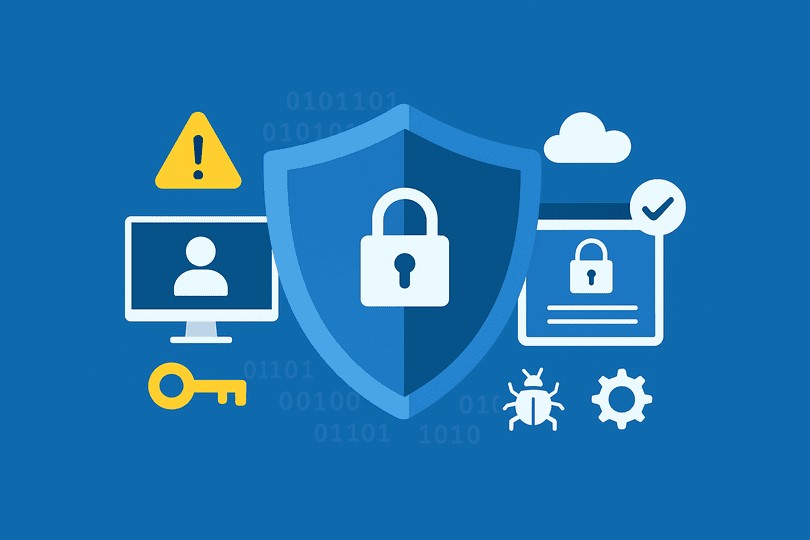
VPNs are powerful, but they aren’t magical cloaking devices. They can’t protect you from:
• Malware infections
• Phishing attacks
• Websites where you log in (your identity is tied to your account)
• VPN providers that keep logs (choose wisely)
As always, security is a team sport—VPNs are just one player.
VPN Protocols: The Tunnels That Make It All Work
A “protocol” defines how your VPN secures and transfers data. The most widely used ones include:
OpenVPN: Highly secure and reliable, ideal for most users.
WireGuard: Fast, modern, and lightweight.
IKEv2/IPsec: Great for mobile devices thanks to stable reconnection.
Your VPN app usually selects the best protocol automatically, but knowing the names helps decode technical explanations.
How to Choose a Trustworthy VPN
A few qualities separate the good from the suspicious:
• Transparent no-log policy
• Independent security audits
• Strong encryption (AES-256 or ChaCha20)
• HQ in a privacy-friendly jurisdiction
• Good connection speeds
• Clear data handling practices
Steer clear of “free” VPNs that pay their bills by harvesting user data.
Final Thoughts
The more the internet becomes woven into everyday life, the more important digital privacy becomes. A VPN won’t solve every security challenge, but it gives you a safer, more private foundation to build on. For many people, it’s the easiest and most practical way to take back a bit of control in a world full of trackers, advertisers, and unseen observers.
Related Posts
Is Using a VPN Legal? A Country-by-Country Look at Laws, Limits, and Grey Areas
Virtual Private Networks, better known as VPNs, have quietly moved from the tech-savvy fringe into everyday life. People use them to protect their privacy on public Wi-Fi, secure remote work connections, or access information while traveling. For many, a VPN feels like a digital seatbelt: something you put on for safety, not because you plan to crash.
That popularity naturally leads to a bigger, more uncomfortable question. If VPNs are so widely used, are they actually legal everywhere in the world?
The short answer is: mostly yes—but not always, and not without important caveats.
Free vs Paid VPNs: Key Differences in Privacy, Security, and Performance
A free VPN can feel like a small victory. One click, a promise of privacy, no credit card required. It sounds almost too good to question. And yet, in the digital world, convenience often comes with invisible strings attached. When it comes to VPNs, the real cost is not always measured in money, but in speed, privacy, and trust.So the real question is not “Why pay for a VPN?” but rather “What am I giving up if I don’t?”
What Is a VPN? How It Works and Why It Matters for Online Security
Every time you connect to the internet, you leave behind a trail of data—often without realizing how visible it is or who might be watching. From public Wi-Fi networks to data-hungry platforms and cybercriminals, the modern internet is not exactly a private place. This is where a VPN quietly steps in. Not as a flashy tool, but as a practical layer of digital protection that helps you take back control of your online presence.
Understanding what a VPN is—and what it is not—is an essential part of digital literacy today.

Pupuler Post